
Bespoke tailoring in Dubai is the making of a garment from a pattern drafted from scratch for one client's measurements and posture. It involves a consultation, fabric selection, several fittings, and hand finishing. It takes longer and costs more than made-to-measure or ready-to-wear, but it gives the most precise fit and the greatest design control.
Dubai is one of the most style-conscious cities in the world. Business meetings, hospitality, weddings, and year-round events mean a well-fitted suit or shirt is often a necessity rather than a luxury.
This guide explains what bespoke tailoring involves, how the process works, what drives the cost, and how to choose a bespoke tailor in Dubai who will deliver what you expect. It is written from the workshop floor by the SHADES team and reviewed by our head tailor, so the advice reflects how garments are actually made and fitted.
The word “bespoke” comes from garments that are “spoken for” by a client. A true bespoke garment starts with a blank sheet of paper. The tailor takes detailed measurements, notes your posture and proportions, and drafts a pattern that belongs only to you. That pattern is kept on file and refined with every order.
The craft has a long history. The Savile Row Bespoke Association was formed in 2004 by five London tailoring houses to protect and promote the standards of bespoke tailoring. Outside that trade body, the word is used far more loosely across the global market, which is why it pays to ask any tailor exactly what they mean by it.
A bespoke tailoring service in Dubai typically covers:
The defining point is that the garment is built around your body, not adjusted from a standard size. This is the main difference between bespoke, made-to-measure, and ready-to-wear.
These terms are often used interchangeably, but they describe different products.
Feature | Bespoke | Made-to-Measure | Ready-to-Wear |
Pattern | Drafted from scratch for you | Adapted from an existing base pattern | Standard sizes |
Fittings | Multiple, with adjustments at each stage | Usually one or two | None (alterations only) |
Fabric choice | Very wide | Wide | Limited to stock |
Design control | Full: cut, lapel, pockets, lining, buttons | Moderate | Minimal |
Fit for unusual proportions | Excellent | Good | Often poor |
Lead time | Longest | Medium | Immediate |
Cost | Highest | Mid-range | Lowest |
If you have standard proportions and a tight deadline, made-to-measure can be the smarter choice, and a trustworthy tailor will tell you so. If you want the best possible fit, have a build that off-the-rack sizes never suit, or want control over every detail, bespoke is the better route.
A reliable bespoke tailoring solution in Dubai follows a clear sequence. Knowing it helps you judge whether a tailor is doing the work properly.
You discuss the occasion, your style, how and where the garment will be worn, and your budget. A good tailor asks about your lifestyle and daily routine instead of only showing you a catalogue.
The tailor takes a detailed set of measurements and observes how you stand and move. Posture, shoulder slope, and natural asymmetry all affect how a jacket hangs, so a skilled tailor records them.
You choose the cloth, weight, color, and pattern, then decide on details such as lapel style, button stance, vents, pockets, lining, and monogramming. In Dubai, fabric weight matters. Lighter wools, linen blends, and breathable linings suit the heat, while heavier cloths work for air-conditioned offices and winter travel.
The tailor drafts your pattern and cuts the cloth. Cutting is a skilled step because the cutter must account for the fabric’s pattern, grain, and stretch.
The garment is fitted in a partly assembled state first. The tailor checks balance, drape, and comfort, then adjusts. This is where bespoke earns its reputation, because corrections are made to your actual body rather than to a template.
After the adjustments, the garment is finished with pressing, buttonholes, lining, and final detailing. A last fitting confirms that everything sits as agreed before you take it home.
Your pattern stays on file, so reorders and future garments are faster and more consistent. A good tailor also handles later alterations as your body or preferences change. Searching for “alterations near me” is common, but the tailor who built the garment knows its construction best.
Tell us how you actually wear it. Clients who drive daily, carry a phone or wallet in the jacket, or sit at a desk for long hours need different balance and ease. Raising this at the first consultation usually saves a fitting later.
Bring one jacket you already love. Seeing how a favorite piece sits on you tells the tailor more about your preferred fit than any description.
Prices vary widely across the city, so a single figure would be misleading. What matters is understanding what drives the price, so you can compare quotes fairly.
The main factors that affect cost:
How to compare quotes properly: Ask each tailor to state the fabric brand and composition, the construction method, the number of fittings included, whether post-delivery alterations are covered, and the expected timeline. Two quotes that look similar on price can describe very different products.
Bespoke costs more upfront than made-to-measure or ready-to-wear, but a well-made garment that fits properly lasts longer and can be adjusted over the years.
Bespoke work takes longer than other options because of the multiple fittings. The timeline depends on the garment, the availability of the fabric, and the tailor’s workload. Cloth that must be sourced from overseas mills adds time. If you need a garment for a wedding, a new job, or an event, give the date at the first consultation and plan backwards. Starting early avoids paying for rushed work.
Many people start by searching for a “tailor near me,” and a convenient location does help with repeat fittings. But proximity should be one factor among several. Use this list when comparing any bespoke tailor in Dubai. For a deeper walkthrough, see our guide on how to choose a bespoke tailor in Dubai.
Red flags to avoid: no finished or in-progress work to show, pressure to decide on fabric or design in a single visit, no clear fitting schedule, vague answers about timelines or inclusions, and unwillingness to put the agreed details in writing.
SHADES is a Dubai-based tailoring company offering bespoke tailoring, uniform solutions, and garment alterations. Our bespoke tailoring service in Dubai covers custom suits and shirts, built through consultation, personal measurement, fabric selection, and structured fittings. Whether you are looking for a tailor near me for a new suit, alterations near me for a quick adjustment or stitching near me for a custom piece, one team handling all three keeps your fit consistent from the first fitting onwards. To discuss a garment, you can book an appointment with the team.
Bespoke tailoring in Dubai is an investment in fit, quality, and personal style. Understanding the process, knowing what drives the cost, and checking a tailor’s work, communication, and fitting process will help you choose with confidence. Start with a consultation, ask detailed questions, and take your time over fabric and design.
Bespoke tailoring in Dubai is the creation of a garment from a pattern drafted specifically for one client, with multiple fittings and full control over fabric and design details.
Bespoke uses a pattern drafted from scratch and involves more fittings. Made-to-measure adapts an existing base pattern to your measurements. Bespoke offers the most precise fit and design control, while made-to-measure is quicker and usually more affordable.
Look at finished work, ask how the pattern is created, check fabric sourcing, confirm the fitting process, and read detailed customer reviews. A tailor who explains each stage clearly is usually a good sign.
Fabric, garment complexity, construction method, number of fittings, customization, and the tailor's experience all affect the price. Compare quotes by checking exactly what each one includes.
Lightweight wool, wool-linen and linen blends, and breathable linings work well for year-round wear in Dubai. Heavier cloths suit winter and travel. Your tailor should recommend options based on how and where you will wear the garment.
Search "tailor near me," "alterations near me," or "stitching near me" on Google Maps, then compare Google Business Profile reviews, opening hours, and examples of finished work. Choose a tailor who offers bespoke tailoring, stitching, and alterations together, so one team looks after your fit.
Bespoke Tailoring Dubai: Process, Cost & How to Choose a Tailor Bespoke tailoring in Dubai is the making of a garment from a pattern drafted
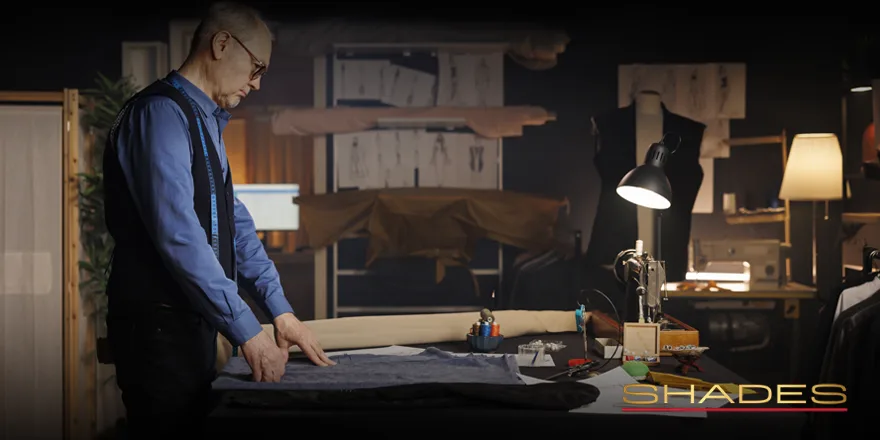
How to Choose the Best Bespoke Tailor in Dubai? The best bespoke tailor in Dubai is judged by process, not showroom size — check that

Corporate Uniforms in Dubai: Complete Buying Guide Corporate uniforms in Dubai must balance branding, comfort in 45°C+ heat, and UAE safety compliance. Businesses can choose